

A practical guide to wool carpets and underfloor heating
Why wool and gentle warmth work so well together
Wool is one of the few natural fibres that genuinely earns its reputation. It is hygroscopic, meaning it absorbs and releases moisture vapour depending on the conditions in the room, which helps keep humidity steadier through the year. It is resilient, so it springs back underfoot rather than flattening into a matted path. It is naturally flame retardant and holds warmth without feeling clammy. That combination makes it a natural partner for underfloor heating, which delivers heat slowly and evenly from below rather than blasting it from a radiator on a cold wall.
The important word here is gentle. Wool copes beautifully with steady, low-level warmth. What it does not enjoy is being cooked. If you push a wool carpet too hard — with an underlay that traps heat, a high flow temperature, or a thermostat that cannot read the floor — you risk discolouration, felting and a pile that never quite recovers its bounce. Get the specification right and the pairing will outlast most of the furniture in the room.
Know your system before you choose the carpet
There are two broad families of underfloor heating in British homes, and they behave differently under a wool pile.
- Wet (hydronic) systems circulate warm water through pipes set in screed or in insulated panels. Flow temperatures typically sit between 35°C and 45°C, and the floor warms up slowly but holds its heat for hours.
- Electric systems use mats or loose-lay cable and respond far more quickly, which is convenient for smaller rooms but means hot spots are easier to create if the output is too high for the floor covering.
Whichever you have, insist on a thermostat with a floor probe rather than relying on air temperature alone. A probe lets you cap the surface temperature — around 27°C is a sensible ceiling for a wool carpet — and that single detail does more to protect your investment than anything else on this list.
The underlay matters more than the carpet
This is where most wool-and-underfloor-heating projects go wrong. A thick, dense, luxurious underlay is wonderful over a timber subfloor with radiators; over a heated floor it acts as a duvet. Heat that cannot rise easily forces the system to work harder, which raises the surface temperature and puts the wool under strain.
- Choose a low-tog underlay, ideally below 1.0 tog, and 6–8mm polyurethane foam rather than 10mm felt or crumb rubber.
- Look for underlays specifically described as suitable for underfloor heating, which are designed to conduct rather than block heat.
- Avoid foil-backed or reflective membranes under carpet — they can create uneven warmth and hot patches.
- Never double up with a second layer "for comfort". One correctly specified underlay is plenty.
Tog ratings: the numbers that actually matter
Tog is simply a measure of thermal resistance — how well a material stops heat passing through it. Carpet and underlay each carry a tog figure, and for underfloor heating you want the combined total to stay at or below roughly 2.5 tog.
A typical wool twist or loop pile sits around 0.9 to 1.3 tog. A deep wool Saxony can reach 1.6 to 1.8 tog. Underlays range from about 0.5 tog for a thin foam to well over 1.5 tog for thick felt. So a 1.2 tog wool carpet over a 0.7 tog foam underlay gives you 1.9 tog — comfortably within range. A 1.7 tog Saxony over a 1.4 tog felt gives you 3.1 tog, and no amount of patience at the thermostat will make that work well.
If you already have underfloor heating and your heart is set on a deep pile, be honest about the trade-off: you can have it, but you will need to accept a slower warm-up, a slightly higher running cost and a firmer eye on surface temperatures.
Getting the installation right
- Run the heating for several days before fitting, then switch it off at least 24 hours beforehand so the floor is cool and stable.
- Let the carpet acclimatise in the room for 24 to 48 hours, unwrapped, so it settles at the ambient humidity.
- Ask for stretch fitting over gripper rods, which keeps the pile tension even and avoids adhesive ridges showing through.
- After fitting, bring the heating back up gradually — start low and raise the flow temperature by a degree or two a day over the first week.
- Keep heavy rugs off the new carpet for the first month, and think twice about permanent ones afterwards.
Living with wool over warm floors
Once it is down, a little routine keeps everything in good order. Vacuum regularly with suction rather than an aggressive beater bar, particularly on loop piles, and deal with spills promptly — wool's natural lanolin gives you a few seconds of grace, not minutes. Avoid rubber-backed mats, which trap moisture against the pile, and choose thin, breathable cotton or flatweave rugs if you want something by the bed or sofa.
Zone your heating so you are warming the rooms you actually use, and keep bedroom floors a degree or two cooler than living areas. Have the carpet professionally cleaned every 12 to 18 months, and check the floor probe reading against a separate thermometer once a year. Do those small things and a wool carpet over underfloor heating becomes exactly what it should be: quiet, warm underfoot, and quietly hard-wearing for a decade or more.
tag: Interiors

Oliver Radcliffe Author
Use vertical planters, folding furniture and pale boundaries to make a slim outdoor space feel open and inviting.
YOU MAY ALSO LIKE
Small garden ideas for narrow townhouse plots
Sep 12
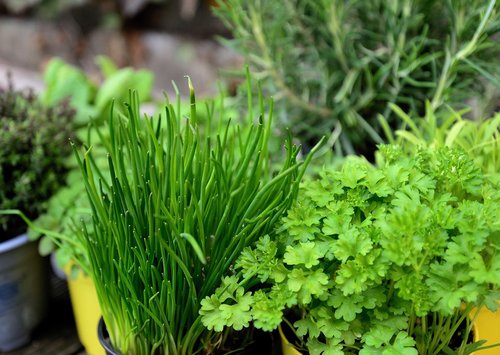
10Choose tough rosemary, thyme and mint, then group pots for shelter and water them early before the sun climbs.
read more
Growing herbs in pots on a windy balcony
Sep 7
10Open windows, beat rugs and wipe salty winter residue from sills to let fresh air move through every room.
read moreInteriors
-

ERRIC CATONA
Check draughts, refresh bedding and store summer cushions before damp evenings settle in and fires become truly welcome.
May 19, 2016 at 5.12 pm
Reply
ERRIC CATONA
Weigh equal butter, sugar, flour and eggs, bake gently, then sandwich with jam and cream for a reliable teatime treat.
May 19, 2016 at 5.12 pm
Reply -
ERRIC CATONA
Brown the meat, soften root vegetables and let everything simmer slowly until the whole kitchen smells warmly inviting.
May 19, 2016 at 5.12 pm
Reply
Fireplaces
Your email address will not be published.