
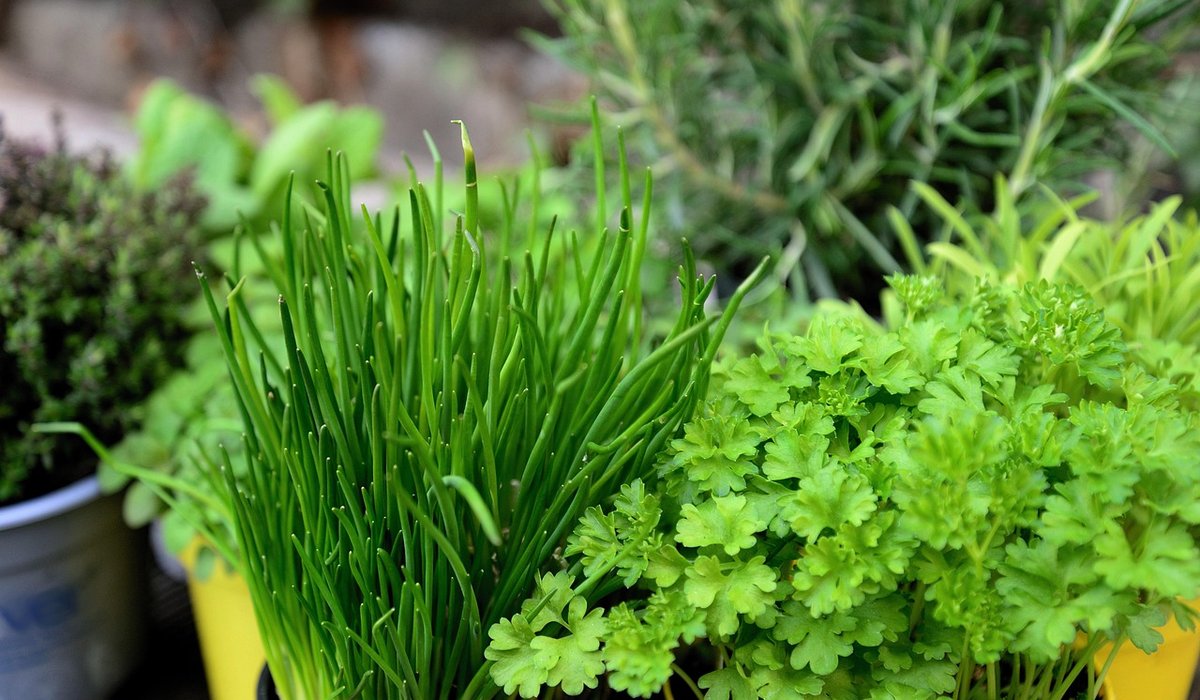
Planting a hedge for privacy and wildlife
Why a native hedge earns its keep
A close-board fence goes up in a weekend, but a hedge gives you something a fence never can. Plant a mixed native hedge and you get a screen that thickens every year, softens wind rather than deflecting it, soaks up rain, and turns your boundary into a larder and a nesting site for the birds, bees and moths that make a garden feel alive. On a country plot or a suburban edge, it is the single most generous thing you can plant.
Hawthorn, hazel, blackthorn and their companions are also cheap, forgiving and utterly at home in British soil and weather. Bare-root whips cost a fraction of mature plants and establish faster than most people expect — a well-tended hawthorn will put on 30–60cm a year once it settles.
Choosing the right mix for your plot
A single species gives a neat, formal line. A mix of three or four gives you blossom in spring, berries in autumn, catkins in winter and far more wildlife. Aim for about 60–70 per cent of one sturdy backbone species, then ring the changes.
- Hawthorn — the classic. Thorny, dense, white may blossom, red haws for thrushes. Tolerates almost anything except deep shade.
- Hazel — lovely catkins in late winter, nuts in autumn, and it coppices beautifully if you want to keep it in hand. Happy in light shade.
- Blackthorn — early frothy blossom, sloes for gin, and excellent nesting cover. It suckers, so give it room.
- Field maple — buttery autumn colour and good on chalk and clay alike.
- Holly — evergreen, slow, superb for a solid winter screen. Plant both a male and a female for berries.
- Guelder rose and dog rose — flowers, hips and berries at the front of the mix.
If your soil is heavy clay, wet, or thin and chalky, say so before you order. Most native whips cope with a wide range, but hazel sulks in waterlogged ground and holly dislikes being soaked.
Planning the line and preparing the ground
Check your deeds or talk to your neighbours before you dig — boundaries, covenants and any height limits are worth knowing about now rather than later. Then mark a straight line with string and canes. A single row of whips at 45cm spacing makes a decent screen; two staggered rows 45cm apart, with plants 45cm apart within each row, makes a thick, wildlife-friendly hedge that will be impenetrable within five years.
Clear perennial weeds along the strip — couch grass, ground elder and bindweed will out-compete young whips. Dig a trench about 30cm deep and 45cm wide, fork the base to break up any pan, and work in a bucket or two of well-rotted manure or garden compost per metre. Don't overfeed; rich soil makes soft, floppy growth that a hedge doesn't want.
Planting bare-root whips step by step
- Order bare-root whips for planting between November and March, while they are dormant. Avoid planting into frozen or waterlogged soil.
- Stand the bundles in a bucket of water for an hour before planting, and never let the roots dry out in the meantime.
- Space the whips along the trench, spread the roots out gently and backfill in layers, firming each layer with your heel.
- Check the soil mark on the stem sits at the same level as before — planting too deep is a common mistake.
- Mulch 5–7cm deep with bark or well-rotted compost, keeping it clear of the stems.
- Fit spiral guards against rabbits and deer, and water each plant in well.
Trimming for a dense screen
The secret of a thick hedge is a shape like a shallow roof: wide at the base, tapering slightly towards the top. That way sunlight reaches the lower leaves and the base stays leafy instead of going bare and woody. Cut the whips back by about a third after planting to encourage branching from low down.
For the first two or three years, trim in late winter to push bushy growth. After that, cut in late summer or early autumn once the nesting season is over. Between March and August, leave it alone — a hedge full of chicks is worth more than a sharp edge, and it is also an offence to disturb nesting birds. Hazel responds well to having a section coppiced on rotation every few years, which keeps it vigorous and gives you a steady supply of poles.
Watering, mulching and the long game
Water young plants generously through their first two summers — a full watering can per plant each week in dry spells does more good than a daily sprinkle. Keep the strip weeded and topped up with mulch, and resist the urge to tidy the leaf litter at the base; that debris is habitat in itself.
Plant a few native bulbs and wildflowers along the sunny side, and within four or five years you will have a screen that hides the road, shelters the garden, hums with bees in May and feeds the birds through winter. It is the most quietly rewarding piece of planting you will ever do.
tag: Gardens

Eleanor Hartley Author
Use reclaimed bricks, climbers and raised beds to pack colour and produce into every tiny narrow urban backyard.
YOU MAY ALSO LIKE
Making the most of a small Victorian terrace garden
Jul 19
10Always learn reliable identification, pick only abundant fruit and leave doubtful specimens alone before making jams or cordials.
read more
Autumn foraging for safe berries in country kitchens
Jul 14
10Simmer spices with apple juice or make a rich hot chocolate, then serve in sturdy mugs beside the fire.
read moreInteriors
-

ERRIC CATONA
Measure the alcove, fix sturdy brackets and use labelled jars to keep flour, rice and pulses tidy and accessible.
May 19, 2016 at 5.12 pm
Reply
ERRIC CATONA
Gather evergreen clippings, bend a willow ring and tie small bunches with twine for a rustic seasonal decoration.
May 19, 2016 at 5.12 pm
Reply -
ERRIC CATONA
Lift old boards carefully, repair joists, sand gently and then finish with hardwax oil to protect the timber.
May 19, 2016 at 5.12 pm
Reply
Fireplaces
Your email address will not be published.