

Growing herbs in pots on a windy balcony
Why a windy balcony can still be a herb garden
A gusty balcony is not the easiest spot for a kitchen garden, but it is far from hopeless. Wind does two things to pots: it dries the compost faster than you would believe, and it snaps brittle stems before they have a chance to harden. The trick is to work with the conditions rather than fight them. Choose herbs that evolved on rocky, exposed hillsides, give them pots that will not blow over, and arrange them so they shelter one another. On a British balcony — whether you face a railway line in Leeds or the sea breeze in Pembrokeshire — you can still pick rosemary for a Sunday roast and mint for new potatoes.
Pick the tough trio: rosemary, thyme and mint
Not every herb enjoys a blustery ledge, but these three earn their place.
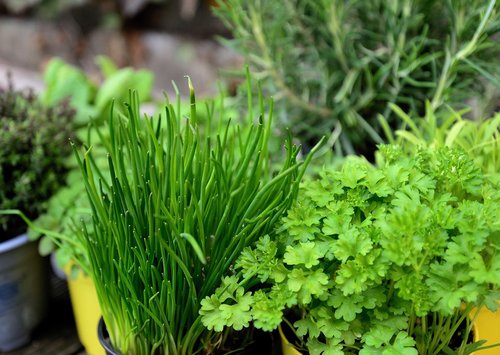
- Rosemary is the backbone of a windy balcony. Its needle-like leaves lose very little moisture, and its woody stems shrug off gusts. Look for upright varieties such as ‘Miss Jessopp’s Upright’, which stays compact in a pot. It hates sitting wet, so use a terracotta pot and add plenty of grit to the compost. One plant will give you years of sprigs for lamb and roast vegetables.
- Thyme is equally rugged. Common thyme and lemon thyme both creep happily in shallow pans, and their tiny leaves are built for dry, exposed places. They reward you with a carpet of flavour for stuffings, soups and scrambled eggs. Trim them after flowering to keep them bushy rather than leggy.
- Mint is the odd one out. It loves moisture, so wind can actually help by preventing the soggy roots it dislikes. But mint is a thug: it runs underground and will swamp anything in the same pot. Give it its own container, sink it into a larger decorative pot if you like, and keep it well watered. Moroccan mint makes the best tea; spearmint is gentler for salads.
If you have room for a fourth, consider oregano or winter savory. Both cope with wind, and both taste better when grown hard rather than pampered.
Group pots to create a sheltered microclimate
A single pot on an open balcony is a sitting target. A cluster of pots is a tiny village. Group your containers close together so that leaves and stems buffer the wind for one another. Put the tallest and toughest — rosemary — on the windward side. Place lower, softer herbs like mint behind it. If your balcony has a solid railing or a glazed panel, use that as a back wall. A simple trellis or a piece of woven willow fixed to the railing will break the force of the wind without blocking light.
Weight matters. A light plastic pot in a gust will roll, tip or disappear over the edge. Choose terracotta, glazed stoneware or even a wooden half-barrel. If weight is a concern — as it often is on a modern balcony — put the heaviest pots at the base of the railing and secure lighter ones with pot feet and a few cable ties through the drainage holes. Never underestimate a February gale.
Water early, before the sun climbs
On a windy balcony, morning watering is not a preference; it is a rule. Water your herbs at first light, before the sun has warmed the pots. The compost takes up moisture slowly, and the roots have the whole day to drink before the wind starts its drying work. If you water in the evening, the compost stays cool and damp overnight, which invites mildew and vine weevil. Water deeply until it runs out of the drainage holes, then empty the saucer after half an hour so the roots never stand in a puddle.
Wind can dry a small pot in a single afternoon. Push your finger into the compost up to the first knuckle. If it feels dry, water. If it is still damp, wait. A layer of horticultural grit or gravel on the surface acts as a mulch, slowing evaporation and keeping the leaves clean. During a heatwave, check twice a day — once at dawn and once at dusk — but only water the second time if the compost is genuinely dry.
Compost, drainage and a little feeding
Herbs from the Mediterranean hate rich, soggy compost. Use a soil-based mix rather than a peat-free multipurpose, and add a generous handful of horticultural grit per pot. This gives the roots something to grip and lets excess water drain away fast. Rosemary and thyme prefer a slightly alkaline soil, so add a pinch of lime if your compost is acidic.
Feeding should be light. A weak liquid seaweed feed every fortnight from April to August is plenty. Too much nitrogen makes soft, sappy growth that the wind will shred. Mint is the exception: it is a hungry plant, so give it the same feed but slightly stronger. Stop feeding by early September so the plants harden off for winter.
A simple routine for a blustery year
Start with three pots in spring: one rosemary, one thyme and one mint. Group them tight, water early, and cut back any stems that blacken after a gale. In winter, move the pots against the wall of the house and wrap the rosemary in fleece if a hard frost is forecast. Mint will die back completely — that is normal. It will return in March with fresh, bright leaves. By next summer, you will have a balcony that smells of the Mediterranean and a kitchen that never runs short of flavour, wind or no wind.
tag: Gardens

Eleanor Hartley Author
Open windows, beat rugs and wipe salty winter residue from sills to let fresh air move through every room.
YOU MAY ALSO LIKE
Spring cleaning rituals for a country cottage
Sep 4
10Check draughts, refresh bedding and store summer cushions before damp evenings settle in and fires become truly welcome.
read more
Preparing your home for a British autumn chill
Sep 1
10Weigh equal butter, sugar, flour and eggs, bake gently, then sandwich with jam and cream for a reliable teatime treat.
read moreInteriors
-

ERRIC CATONA
Brown the meat, soften root vegetables and let everything simmer slowly until the whole kitchen smells warmly inviting.
May 19, 2016 at 5.12 pm
Reply
ERRIC CATONA
Start with chunky wool, simple scarves and cushion covers, then practise knitting tension before attempting more detailed patterns.
May 19, 2016 at 5.12 pm
Reply -
ERRIC CATONA
Turn surplus apples, onions and tomatoes into spiced chutney, then store jars in a cool, dark cupboard for later.
May 19, 2016 at 5.12 pm
Reply
Fireplaces
Your email address will not be published.