
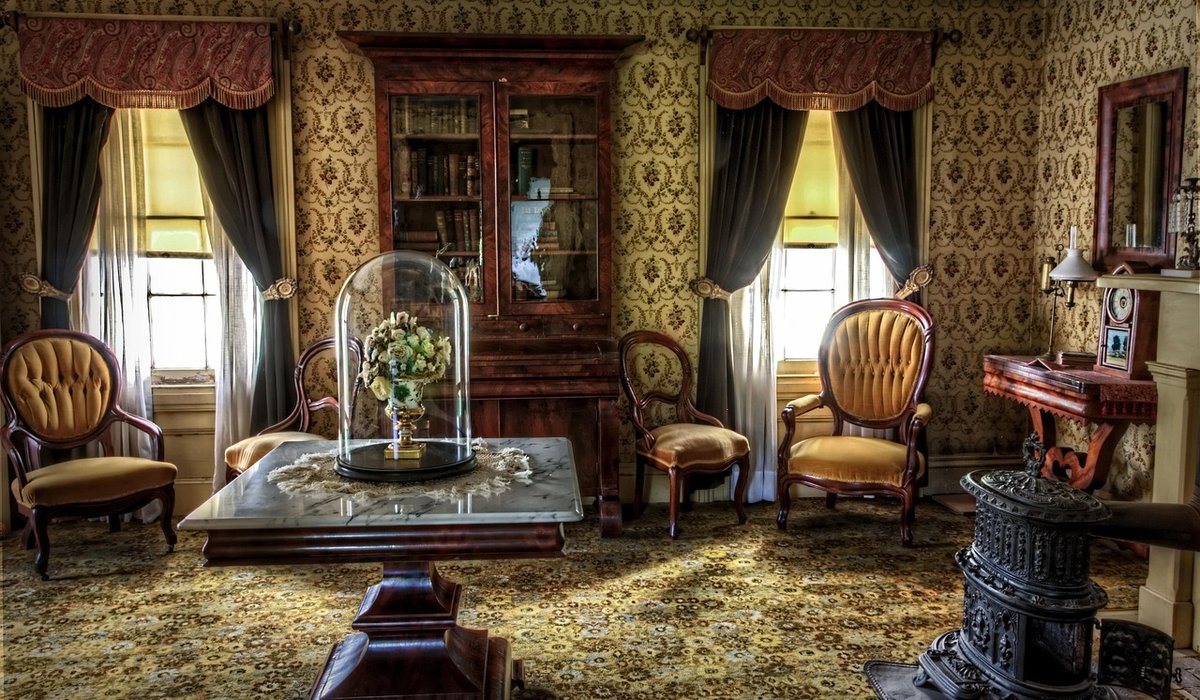
Layering lighting for a cosy British sitting room
Why one bright overhead light ruins a British evening
By four o'clock on a December afternoon, the sitting room should feel like a retreat from the dark. Yet many of us still rely on a single pendant or downlight to do all the work. That flat, shadowless glare makes a room feel clinical rather than comforting. Layering lighting is simply the practice of using several sources at different heights and intensities, each dimmed to a gentle glow. The result is a room that feels warm, intimate and lived-in — the kind of place where you can sink into an armchair with a cup of tea and a good book.
Start with a warm base: table and floor lamps
Lamps are the workhorses of a cosy scheme. Aim for at least two table lamps in a typical sitting room, placed on side tables at roughly waist height when you are seated. A standard floor lamp behind a reading chair adds another layer without cluttering surfaces. The key is warmth: choose bulbs rated at 2700K or, better still, 2200K for a candle-like glow. A 40 to 60 watt equivalent LED is usually plenty; anything brighter will feel harsh. Fit linen, cotton or pleated shades in cream, oatmeal or soft terracotta — they diffuse light beautifully and cast a golden pool rather than a spotlight.
- Place lamps so the shade sits at or just below eye level when seated, avoiding glare.
- Use a dimmable bulb in every lamp, even if you rarely dim it.
- Choose a warm white LED with a high colour rendering index (CRI 90+) so skin tones and wood look natural.
- Put a small lamp on a sideboard or bookshelf to light a dark corner.
Dimming the walls: subtle wall lights and picture lights
Wall lights are often overlooked, yet they are perfect for British sitting rooms with low ceilings or awkward corners. A pair of dimmable wall lights either side of a fireplace or sofa can wash the wall with gentle light without taking up floor space. Mount them at around 1.7 to 1.8 metres from the floor, and choose designs with frosted glass or fabric diffusers — bare bulbs will only dazzle. Picture lights above a favourite painting or print add a focused, gallery-like glow. Fit a trailing-edge dimmer switch (the type designed for LED) so you can drop them to 20 or 30 percent in the evening. Two-way switching, with a dimmer by the door and another by your armchair, is a small luxury that makes a big difference.
The hearth: a natural focal glow
Nothing says British country living quite like a log burner or open fire. The hearth provides a low, flickering light that no bulb can replicate. If you are lucky enough to have one, let it lead. Keep the fire surround clear of clutter, and dim every other light in the room by at least half so the fire can take centre stage. An electric stove with a realistic flame effect works well in a townhouse or flat. Even without a fire, you can mimic the effect with a cluster of candles in a fireplace alcove or a low-wattage lamp placed on the hearth (never near an active fire). Warm metallics — brass, copper, aged iron — will bounce the glow around the room.
Zoning your sitting room for different evenings
Think of your sitting room as a series of small pools of light. The sofa area wants a lamp at each end and perhaps a wall light behind. A reading chair needs a focused floor lamp or a swing-arm wall light that you can angle over your shoulder. A desk or piano benefits from a dedicated task light, dimmed low when not in use. Avoid lighting the centre of the room from above; instead, let the edges glow and the middle stay soft. Mirrors and glass cabinet fronts will double the effect. A good test is to stand in the doorway at dusk: you should see at least three separate light sources, none of them brighter than a 60-watt bulb.
Practical control and seasonal tweaks
Choose dimmer switches with a smooth rotary or push action — trailing-edge types are best for LED bulbs. Smart plugs or a simple plug-in dimmer can make older lamps work with your scheme without rewiring. In winter, add a few extra points of light: a small lamp on a hall table just outside the sitting room, a string of warm fairy lights inside a glass jar, or a low-wattage night light on the hearth. In summer, strip back to two lamps and let the longer evenings do the rest. Always check that every bulb matches in colour temperature; a single cool white bulb will ruin the warmth. Finally, turn your lights on in sequence — start with the hearth or the lowest lamp, then add the wall lights, and leave the brightest for last. That gentle build-up is the secret to a truly restful British sitting room.
tag: Interiors

Charlotte Bexley Author
Natural fibres respond well to gentle warmth, but choose the right underlay and tog rating to avoid overheating.
YOU MAY ALSO LIKE

A practical guide to wool carpets and underfloor heating
Sep 16
10Use vertical planters, folding furniture and pale boundaries to make a slim outdoor space feel open and inviting.
read more
Small garden ideas for narrow townhouse plots
Sep 12
10Choose tough rosemary, thyme and mint, then group pots for shelter and water them early before the sun climbs.
read moreInteriors
-

ERRIC CATONA
Open windows, beat rugs and wipe salty winter residue from sills to let fresh air move through every room.
May 19, 2016 at 5.12 pm
Reply
ERRIC CATONA
Check draughts, refresh bedding and store summer cushions before damp evenings settle in and fires become truly welcome.
May 19, 2016 at 5.12 pm
Reply -
ERRIC CATONA
Weigh equal butter, sugar, flour and eggs, bake gently, then sandwich with jam and cream for a reliable teatime treat.
May 19, 2016 at 5.12 pm
Reply
Fireplaces
Your email address will not be published.